Hey, have you ever wondered how factories show off complex machines without building them first? That’s where industrial 3D animation comes in. It’s like a magic trick that turns blueprints into moving pictures. In this guide, I’ll explain what is industrial 3D animation in simple terms. We’ll cover its benefits, how it works, and why it’s a game-changer for the manufacturing industry.
Picture this: You’re an engineer trying to sell a new robot arm. Words alone won’t cut it. But with industrial 3D animation, you create a video that shows it twisting and turning. This grabs attention fast. It’s not just fancy visuals. It solves real problems in product visualization and engineering visualization.
So, What Is Industrial 3D Animation Exactly?
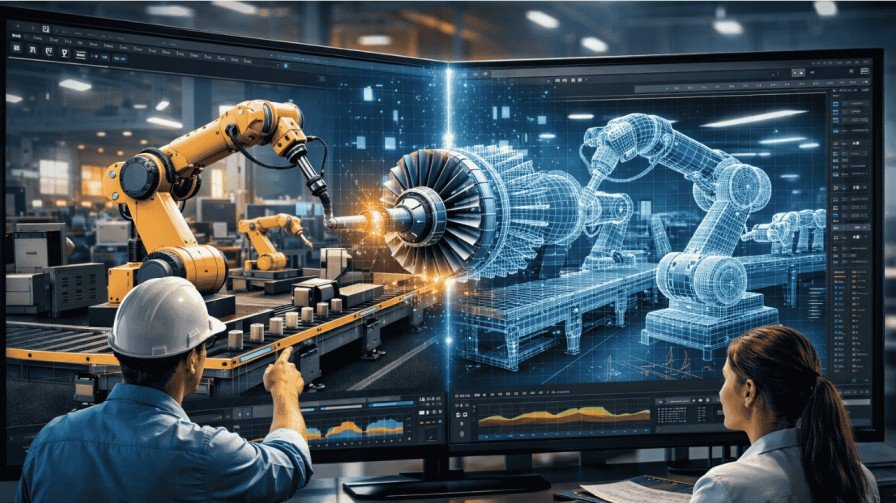
Let’s break it down. Industrial 3D animation is a digital way to show how machines, products, or processes work. It uses computer-aided design (CAD) files to build virtual models. These models move like in real life, thanks to motion graphics techniques.
Think of it as a video game for industry. You start with a flat sketch. Then, software adds depth, colors, and actions. This creates 3D industrial product visualization that’s super realistic. Unlike cartoons, it’s precise for technical stuff.
Why call it “industrial”? It focuses on heavy-duty sectors like manufacturing. It explains mechanical process animation or industrial equipment animation. No fluff—just clear, helpful visuals.
Why Is Industrial 3D Animation Booming in 2026?
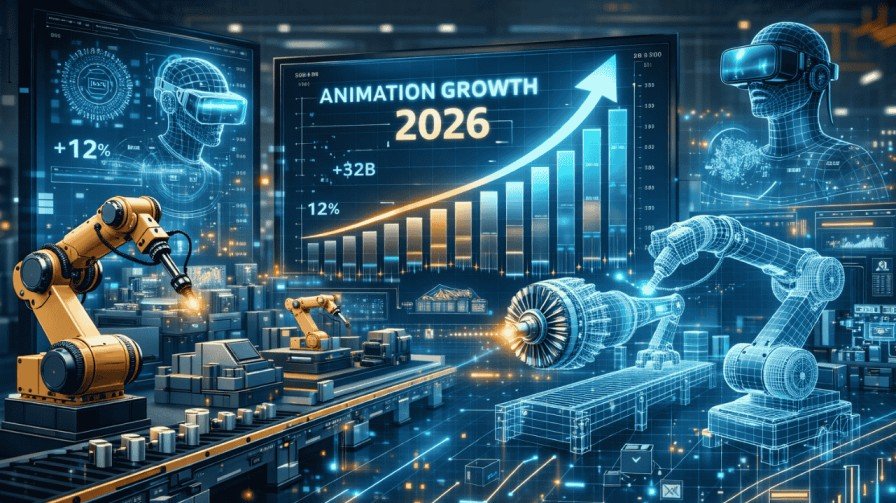
The world loves visuals now. Videos get 66% more engagement than text. In manufacturing, this means big growth.
The global 3D animation market hits about $32 billion in 2026. It grows at 12% yearly, per reports from The Business Research Company. Industrial segments lead this surge. Why? Tech like AI and VR makes animations faster and cheaper.
Imagine the old days. Engineers drew by hand. Now, industrial 3D animation services speed things up. They cut costs by 30-50% on prototypes. That’s huge for businesses.
Key Benefits: How Does It Help Your Business?
You might think, “Is this worth it?” Absolutely. Let’s list the perks.
- Boosts Sales: Show clients interactive demos. They see features without travel. One company I know increased leads by 40% with these videos.
- Improves Training: Employees learn safety rules through simulations. No risky real tests. This drops accident rates by up to 25%.
- Enhances Design: Spot flaws early via engineering visualization. Fix issues before building. Saves time and money.
- Simplifies Communication: Explain complex ideas easily. Use mechanical process animation for team meetings or investor pitches.
Real talk: A car maker like Tesla uses similar tech. They animate assembly lines. It helps workers understand flows better. Your factory could do the same.
Types of Industrial 3D Animations: Which One Fits Your Needs?
Not all animations are the same. Pick based on your goal.
Here’s a quick table to compare:
| Type | Description | Best For | Example |
| Product Demos | Shows a single item’s features and motion. | Sales pitches. | Animating a drill’s spin. |
| Process Visualizations | Maps out full workflows, like assembly lines. | Training sessions. | Step-by-step factory operations. |
| Maintenance Guides | Breaks down repairs with exploded views. | Technician manuals. | Fixing a pump virtually. |
| Safety Simulations | Models hazards and safe practices. | Employee onboarding. | Evacuation drills in 3D. |
Each type uses CAD for accuracy. Motion graphics add smooth movements. Choose one that matches your manufacturing needs.
How Do You Create Industrial 3D Animation? A Step-by-Step Guide
Curious about the process? It’s easier than you think. Follow these steps.
- Gather Data: Start with CAD files or sketches. Collect specs on sizes and motions.
- Build Models: Use software like Blender or Maya. Create 3D shapes. Add textures for realism.
- Add Animation: Apply motion graphics. Make parts move—rotate, slide, or assemble.
- Render and Refine: Computer processes the video. Tweak lighting and angles. Test for accuracy.
- Export and Share: Output as video or interactive file. Use for websites or apps.
Pro tip: Hire industrial 3D animation services if you’re new. They handle tools and save you headaches.
I once helped a friend in manufacturing. He animated a conveyor belt. It took two weeks but won a big contract. Worth every minute.
Real-Life Applications in the Manufacturing Industry
Let’s get practical. How does this play out daily?
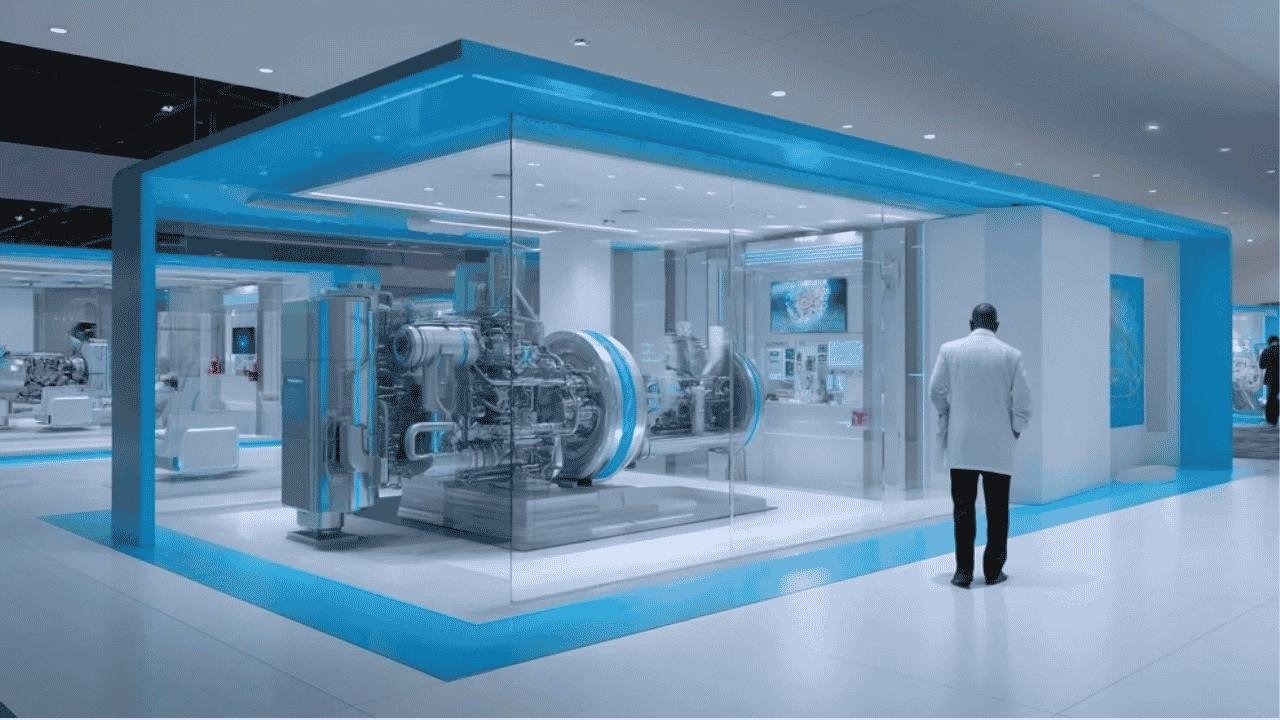
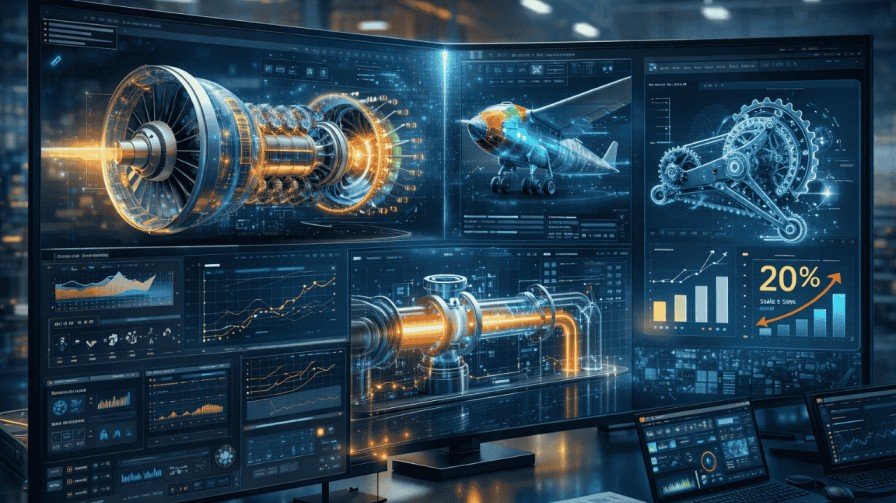
In product visualization, companies like GE animate turbines. Clients see inside without opening them. This builds trust.
For engineering visualization, Boeing uses it for plane parts. They simulate stress tests. Spots weak spots early.
Oil firms rely on industrial equipment animation. They show pipeline flows. Helps in planning and safety.
A small example: A bike maker animated gear shifts. Sales jumped 20%. Customers “got it” instantly.
Emerging Trends: What’s Next for Industrial 3D Animation?
Technology doesn’t stop. In 2026, new stuff excites me.
AI automates boring parts. It suggests motions based on CAD data. Cuts creation time by half.
VR lets you walk through animations. Feel like you’re in the factory. Great for remote teams.
AR overlays animations on real objects. Scan a machine with your phone. See repairs pop up.
Real-time rendering is huge. Change designs on the fly. No long waits.
Metaverse? Factories might train in virtual worlds. Sounds sci-fi, but it’s coming.
Stay ahead. Adopt these for competitive edge in manufacturing.
FAQs on Industrial Animation
1. What is industrial 3D animation used for mainly?
It explains machines and processes. Think sales, training, and design in manufacturing.
2. How much does industrial 3D animation services cost?
Varies. Simple videos: $5,000-$10,000. Complex ones: $20,000+. Depends on length and detail.
3. Is it better than 2D animation?
Yes, for depth. 3D shows angles 2D can’t. But 2D is cheaper for basics.
4. Can small businesses afford 3D industrial product visualization?
Absolutely. Tools like free software lower barriers. Start small.
5. What’s the difference between motion graphics and full 3D animation?
Motion graphics focus on text and shapes moving. 3D adds realistic models.
6. How does it integrate with CAD in engineering visualization?
CAD provides the base model. Animation brings it to life with actions.
Related Reads:
What is apple style 3d animation?
How Industrial 3D Animation Boosts Manufacturing Marketing?
Final Thoughts
So, what is industrial 3D animation? It’s your secret weapon for clear communication in manufacturing.
- It turns complex ideas into engaging videos.
- Benefits include better sales, training, and designs.
- Trends like AI and VR make it even cooler.
Imagine your team loving their jobs more. Clients raving about your demos. That’s the power here.
Ready to try? Chat with an expert in industrial 3D animation services. It could transform your business.