Before a character says a single word — before you even see their face — you already know whether to trust them or fear them. That’s not an accident. That’s shape language character design doing exactly what it’s supposed to do.
Think about your favorite animated villain. Chances are, they’re sharp. Angular. Pointed. Now think about the loveable sidekick — round, soft, maybe a little bouncy. These aren’t random design choices. They’re rooted in a deep psychological principle that every great character designer uses, whether they’re working in animation, gaming, branding, or visual storytelling.
In this guide, you’ll get a full breakdown of how shape language works, why it matters, and how you can use it intentionally to create characters that communicate on an instinctive level — no dialogue needed.
What is Shape Language in Character Design?
Shape language is the practice of using geometric and organic shapes to convey a character’s personality, emotions, and role in a story — even before any detail is added. It’s one of the foundational character design principles used by studios like Pixar, Disney, and DreamWorks.
At its core, shape language works because of shape psychology — our brains are wired to read shapes emotionally. Soft, curved shapes feel safe. Hard, angular shapes feel threatening. Stable, blocky shapes feel reliable. These responses happen in milliseconds, long before conscious thought kicks in.
Here’s what makes it especially powerful: unlike color theory for character design — where cultural associations can vary — shape language is remarkably universal. A jagged, triangular form reads as threatening across most cultures. A round, bubbly form reads as friendly almost everywhere. That universality makes it one of the most reliable tools in a designer’s toolkit.
Core Types of Shapes and Their Emotional Impact
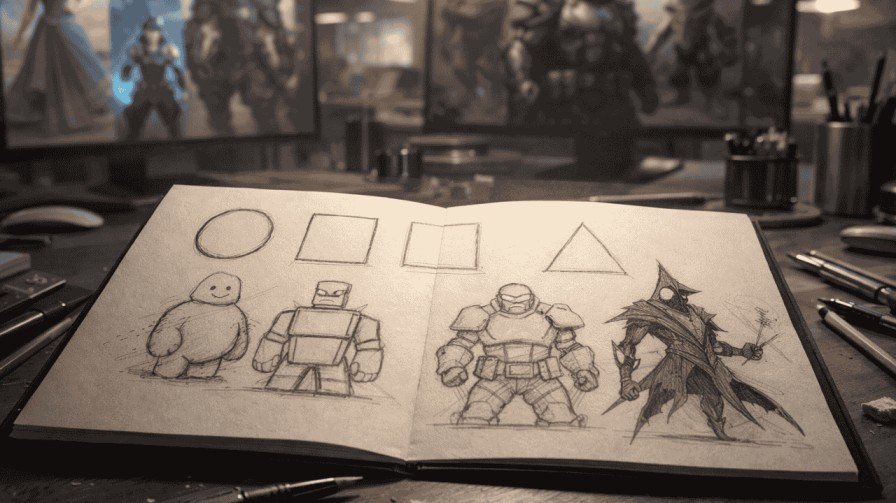
Understanding geometric shapes in animation and character art starts with the three core forms: circles, squares, and triangles. Each carries distinct emotional weight.
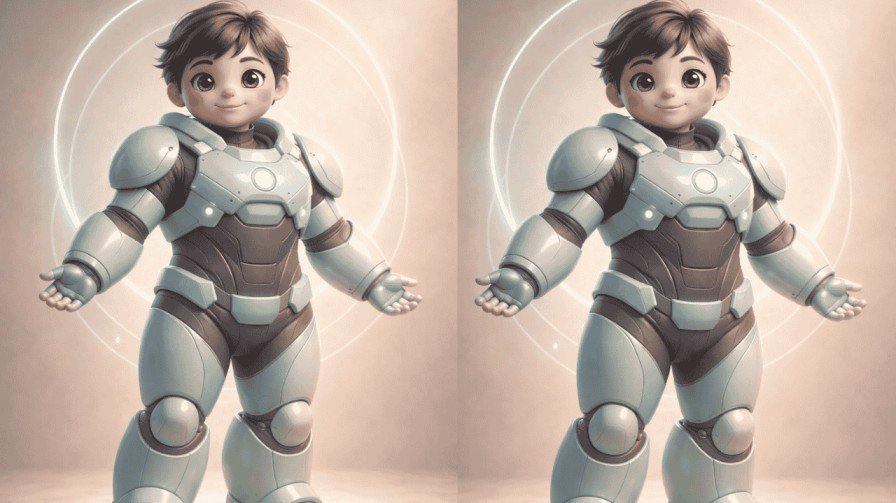
Circles: Friendly, Approachable, and Cute
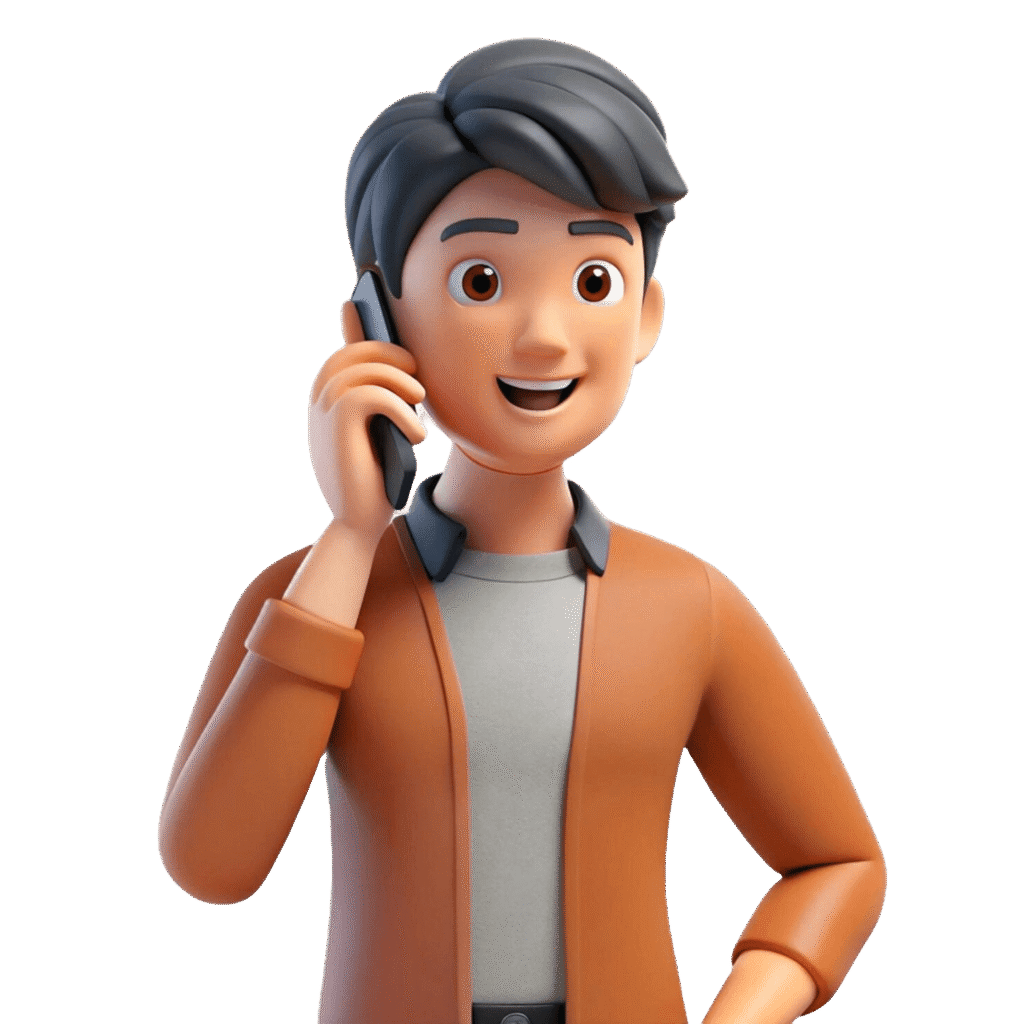
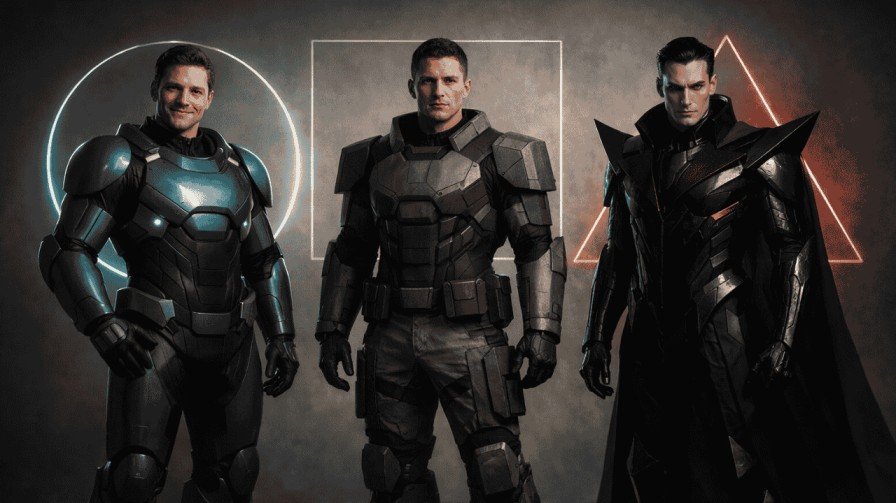
Circles suggest warmth, safety, and playfulness. Characters built on circular forms feel non-threatening — they invite the audience in. Think of Kirby from Nintendo, Baymax from Big Hero 6, or virtually any cute animal companion in a kids’ animation. Their rounded shapes signal: ‘I’m safe. You can trust me.’
Circular shapes work brilliantly for protagonist designs, sidekicks, and any character whose role is to create emotional warmth in the audience.
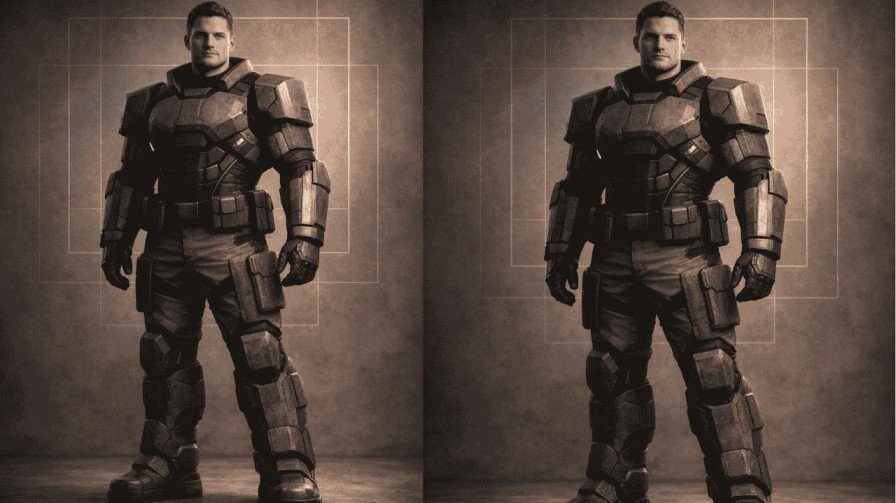
Squares: Strong, Stable, and Dependable
Square and rectangular forms communicate groundedness and reliability. A mentor figure, a protector, or a dependable team member often carries strong square-based proportions — wide shoulders, a blocky torso, a squared-off jaw. Think of characters like The Rock’s roles in animated features or classic guardian archetypes. They’re built to look immovable and trustworthy.
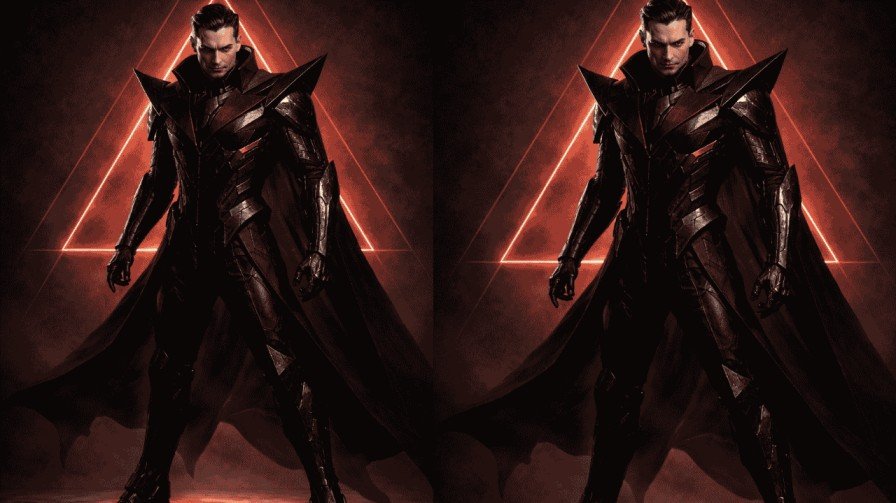
Triangles: Dynamic, Dangerous, and Cunning
Triangles are the villain’s best friend. Sharp edges, pointed silhouettes, and angular features create an immediate sense of danger and unpredictability. From Maleficent to Jafar to countless antagonists in gaming, triangular shapes in character design signal threat. Even a subtle triangular motif in a costume or hairstyle can shift how an audience perceives a character — nudging them from neutral to unsettling.
Organic and Abstract Shapes: Nature, Whimsy, and Complexity
Organic vs geometric character forms open up a whole new design space. Organic shapes — irregular, flowing, nature-inspired — work beautifully for fantasy characters, mystical creatures, or morally ambiguous figures. Abstract combinations of shapes, meanwhile, allow designers to build multi-layered personalities that don’t fit neatly into hero or villain categories.
How Does Shape Language Influence Character Personality?
Here’s something that surprises a lot of new designers: your character’s silhouette is more communicative than their facial expression. If you strip a character down to a black outline, can you still tell what their personality is? If yes, your shape language is working. If no, something needs to go back to the drawing board.
Character silhouette design is a foundational tool for this reason. Body posture, proportions, and the dominant geometric form all contribute to personality long before any detail is rendered. A character with circular proportions and a low center of gravity reads as friendly and grounded. A character with long, narrow limbs and angular features reads as quick, cunning, or threatening.
In emotional expression through shapes:
• Circular shapes signal protagonist friendliness and approachability
• Triangular shapes reinforce antagonist threat and unpredictability
• Square shapes communicate stability, confidence, and reliability
How Do You Combine Shapes for Complex Characters?
Real characters are rarely one-dimensional — and their shapes shouldn’t be either. The most interesting character personality designs come from deliberately mixing shapes to create visual tension that mirrors psychological complexity.
Here are a few combinations that work exceptionally well:
• Round face + triangular costume = a friendly hero who carries power and authority
• Square body + circular accessories = a strong protector who’s also warm and approachable
• Triangular body + circular eyes = a cunning character with a deceptive softness
The key when combining shapes is clarity. Each shape addition should serve a purpose. Ask yourself: ‘What is this shape telling the audience?’ If you can’t answer that, simplify. The best character designs are the ones where every visual choice has intention behind it.
Shape Language Across Different Creative Contexts
Shape language isn’t just for hand-drawn animation. It’s a universal principle that applies across every visual medium.
Animation
In 2D and 3D character shapes for animation, shape language extends beyond the design itself into movement. Round characters bounce. Angular characters slash. Square characters plant their feet. The shape informs how a character physically occupies the world, making it a core component of how character animators approach their work at studios like Render Edge Studio and beyond.
Gaming
In games, player recognition through silhouette is critical. With multiple characters on screen at once, players need to identify roles at a glance. Shape theory in animation applies here too — a healer character is likely rounder and softer, while a damage dealer carries sharper angles.
Brand Mascots
Rounded mascots feel approachable and friendly — great for consumer products targeting families. Angular or geometric mascots feel bold and modern — better suited for tech or performance brands. Every mascot design decision is rooted in shape psychology.
Visual Storytelling
In visual storytelling with shapes, characters’ forms can foreshadow their narrative role. A seemingly friendly character with subtle triangular design elements might signal a hidden villain arc. Shape language can plant subconscious cues that reward attentive viewers — making the story richer on rewatch.
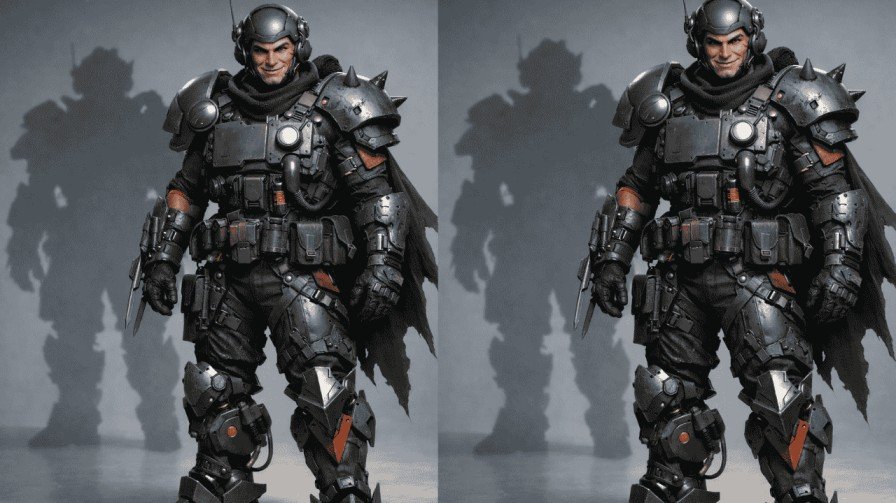
Common Mistakes Designers Make with Shape Language
Even experienced designers can fall into these traps:
• Overloading a character with too many competing shapes — when everything fights for dominance, nothing communicates
• Mismatch between shape and intended personality — a villain designed with only soft curves creates unintentional ambiguity
• Ignoring the target audience — shapes that read as ‘tough’ to adults might read as ‘scary’ to young children
• Getting lost in detail work before nailing the silhouette — details are invisible at a distance; shape is not
Practical Tips for Using Shape Language in Your Designs
1. Start with silhouettes. Before you add any detail, work in black shapes only. If the personality isn’t coming through at this stage, adding detail won’t fix it.
2. Choose a dominant base shape. Every character should have one primary geometric form that drives the design — circle, square, or triangle. Everything else supports that foundation.
3. Extend shape language into props and clothing. A hero’s rounded shield vs. a villain’s spiked armor. A mentor’s square-framed glasses vs. a trickster’s triangular collar. Accessories can reinforce or complicate shape messaging intentionally.
4. Test with real audiences. Show your character silhouette to someone unfamiliar with the project and ask them: ‘What do you think this character is like?’ Their response tells you more than hours of self-review.
5. Build a cohesive visual language. All characters in a project should feel like they belong to the same world. Consistent use of shape logic across a cast creates visual harmony and makes the storytelling feel intentional.
Shape Language Exercises to Build Your Skills
The fastest way to internalize shape language is practice with constraints. Here are three exercises to get you started:
6. Design three versions of the same character — one made entirely from circles, one from squares, one from triangles. Notice how dramatically the perceived personality shifts with each version.
7. Combine shapes deliberately to create a ‘complex’ character — someone who should feel both friendly and dangerous, or reliable but unpredictable. Study how the mix of shapes creates visual tension.
8. Take two existing characters you love — a hero and a villain — and do a side-by-side silhouette analysis. Break down the shapes used and write notes on how those shapes reinforce each character’s role.
Advanced Concepts: Breaking the Rules Intentionally
Once you understand the rules, you can break them with purpose. A villain designed with soft, circular shapes can be deeply unsettling — precisely because it violates audience expectations. That subversion creates discomfort, which is exactly what a sophisticated character arc sometimes needs.
Subtle shape cues can also hint at hidden traits. A character who appears friendly (round overall design) but has slightly angular eyes or jawline might be concealing something — a narrative detail that rewards viewers who notice it.
Shape language also needs to adapt for age-appropriate design. Characters for young children should lean heavily into circles and soft forms for comfort. Characters for adult audiences — particularly in character art styles meant for mature storytelling — can carry far more visual complexity, ambiguity, and tension in their shapes.
Final Thoughts
Shape language character design is one of those principles that, once you see it, you can’t unsee it. You’ll start noticing it in every animated film, every game character, every brand mascot. And more importantly, you’ll start using it — intentionally, strategically, and with real creative confidence.
Great character design isn’t about drawing skill alone. It’s about communication. And shapes are the most primal visual language we have. Whether you’re working in 3D animation, 2D illustration, or game development, mastering shape language is one of the highest-leverage skills you can build.
So grab your sketchbook, start with a circle, a square, and a triangle — and see what stories you can tell before a single line of dialogue is written.
FAQ: Shape Language in Character Design
1. What is the best shape for a character?
There’s no single ‘best’ shape — it depends entirely on the character’s role and personality.
2. Can I combine multiple geometric shapes in one character?
Absolutely — in fact, most compelling characters are built from shape combinations.
3. How does shape language affect animation and movement?
Shape language directly influences how a character moves in 3D animation and 2D animation alike.
4. Does shape language work across different cultures?
Yes — this is one of shape language’s biggest advantages over other design tools.
5. Can subtle shape changes change how a character is perceived?
Dramatically, yes. Even minor adjustments — sharpening a jawline, widening a forehead, narrowing the eyes — can shift a character from ‘friendly’ to ‘unsettling’ without a complete redesign.