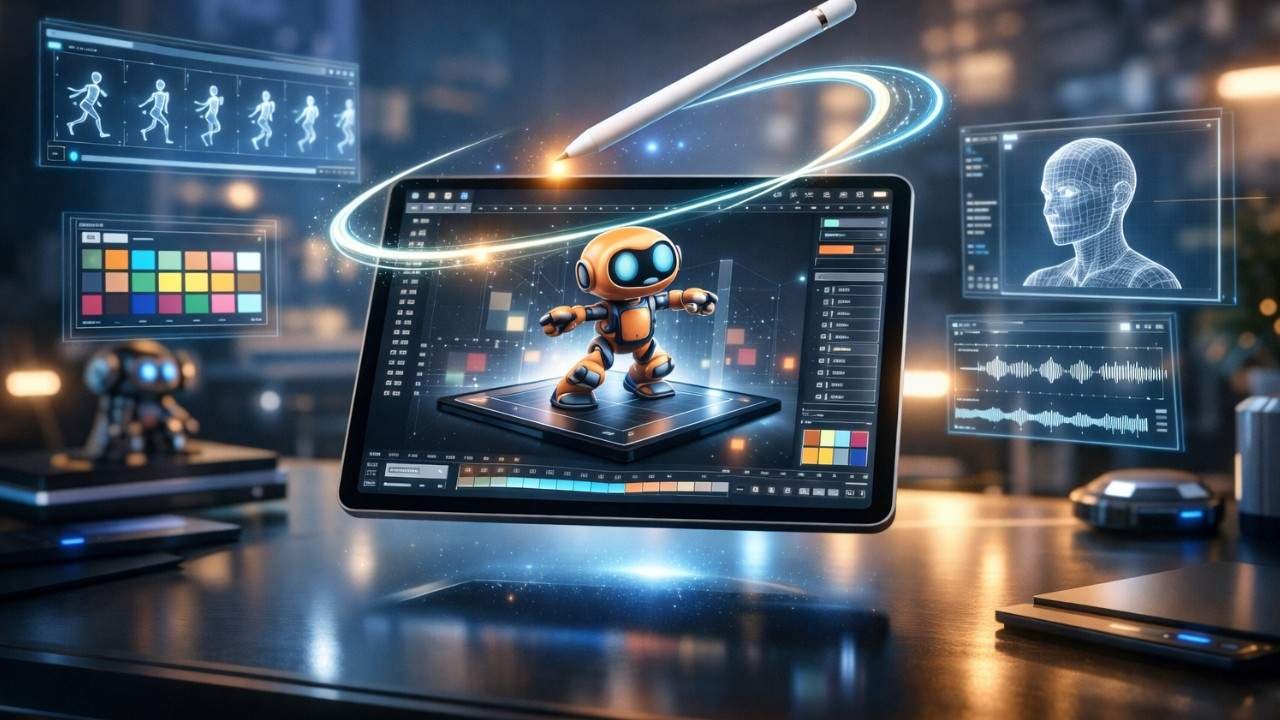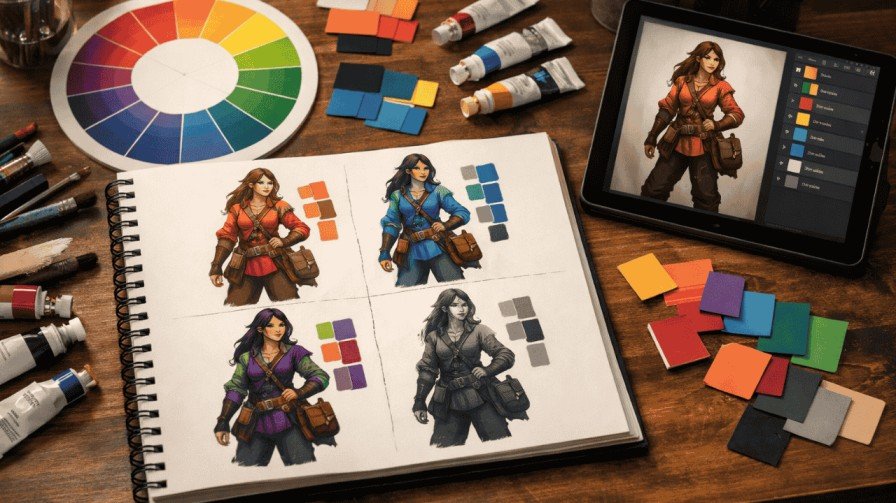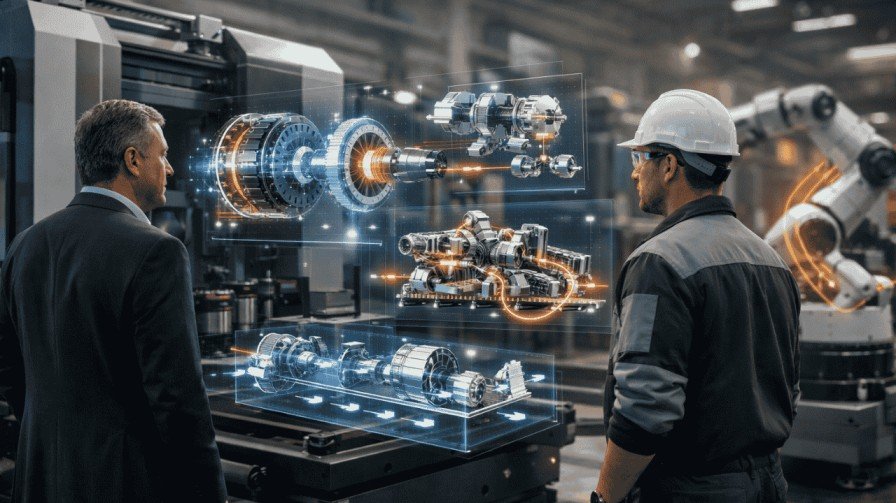
How would it feel to visualize a product, building, or project before it even exists in the real world? It sounds like a concept from a science fiction movie, right? Thanks to 3D visualization capabilities, this is a reality today. All over the world, professionals in sectors such as architecture, interior design, marketing, and engineering are leveraging 3D visuals to save time, reduce costs, and impress clients. In this article, we take an in-depth look at the benefits of 3D visualization, its essential role in modern business, and how it’s transforming industries around the world.
What is 3D Visualization?
Simply put, the discipline of 3D visualization is the function of photorealistically modelling goods, spaces, or ideas in an interactive digital format. When designers use 3D rendering software, products or design concepts are generated as photorealistic 3D images or animations from 2D ideas. Essentially, what once was a blueprint has now become a movie (where you see all the angles and reflections of texture and light).
For Example:
- Product visualization enables companies to display products with intricate details in their textures, materials, and dimensions.
- Interior visualization provides homeowners and designers the ability to visualize furniture layouts and lighting
- Digital prototyping allows engineers to prototype designs without producing a physical model, saving time and cost to produce.
Whether furniture, architectural spaces, or medical products, 3D visualization provides clarity, captures attention and creates faster decision-making.
Key Benefits of 3D Visualization
Let’s analyze the core benefits, step by step, with examples from the real world.
1. Better Communication and Collaboration
Have you ever attempted to explain a complicated design over email or text? Miscommunication happens frequently. There is no misunderstanding when you have a 3D visual to show exactly what you mean.
- How 3D visualization helps communication: Teams, clients, and stakeholders can see, rotate, and experience models through interaction and exploration.
- Architects are able to show design changes immediately, and how changes will impact the design.
- Engineers can verify functionality before it goes to production.
Example: A construction company provided their client with a 3D architectural walkthrough. Rather than going back and forth via emails and sketches, the client was able to “walk” through the building records and give the approval for design changes on the spot.
2. Time & Cost Savings
Developing physical prototypes, photo shoots, and trial-and-error designs is costly. With 3D visualization:
- Photorealistic visualization allows for virtual testing of materials, colors, and layouts.
- Designers can digitally explore multiple design options without the costly process of rework.
- Time-to-market is shortened because visuals are quickly approved by stakeholders.
| Traditional Method | 3D Visualization | Benefits |
| Physical prototypes | Digital prototypes | Save materials & production costs |
| Multiple site visits | Virtual walkthroughs | Save travel & logistics costs |
| Lengthy client meetings | Interactive 3D demos | Faster decision-making |
3. Improved Marketing and Sales
In today’s crowded marketplace, everything is about aesthetics – 3D visualization enables businesses to:
- Display products in real-world situations or environments with AR/VR technology.
- Create interactive experiences that enable potential buyers to really explore the product.
- Increase engagement on social media platforms, websites, and online product catalogs.
Example from real life: A furniture brand used 3D furniture animation services to present a new line of sofas on its website. Customers could examine the sofas from all angles, change the fabric, and place it in their virtual room using AR. Within 3 months, sales increased 35%.
Key takeaway: 3D visuals take the product from a perceived object to an actionable object for the buyer, potentially improving conversions.
4. Speeding Up Project Planning and Decision-Making
Complex projects get held up because of miscommunication or missed details. With 3D, the process is very smooth. The 3D visualization approach is:
- Set-up an interactive 3D model.
- Run simulations (light, ergonomics, airflow, etc.).
- Identify potential issues before manufacture or construction.
- Make changes in an instant and communicate changes.
This type of process leads to quicker approvals, a reduction in mistakes, and a quicker workflow. For example: 3D rendering software and 3D animation workflow make these steps fluid.
5. Endless Customization and Experimentation
With 3D, creativity knows no bounds:
- Change colors, change textures, change layouts in seconds.
- Validate hundreds of configurations without building physical models.
- Great for product modeling, interior visualization, or an architectural project.
Analogy: Think of 3D visualization as a digital sandbox—there are no limits to what you can create without using resources.
6. Actual Virtual and Augmented Experiences
This technology is the future of immersive experiences:
- Virtual Reality (VR): Enter a digital space for a walkthrough, training, or product demonstration.
- Augmented Reality (AR): Display and overlay 3D products in real immersion on mobile devices in physical spaces.
Example: A real estate company showcased 3D virtual tours of a brand-new apartment complex. Potential buyers could check out the units without travelling. This reduced site visits by at least 50% AND provided high-quality sales leads.
7. Improved Documentation and Records
3D models serve as interactive records for:
1. Products and equipment
2. Construction projects
3. Medical or scientific visualization
Instead of relying on static drawings, teams can use highly detailed digital files that can be accessed for future reference, maintenance issues, or compliance requirements.
Step-by-Step Guide for Effectively Using 3D Visualization
- Define Your Purpose: Are you marketing, prototyping, or presenting to clients?
- Choose Your Platform: Choose 3D rendering software that fits your field.
- Develop Your Model: Use CAD set, sketches, or scans to create your 3D asset.
- Insert Materials and Lighting: Make the image photorealistic.
- Test And Iterate: Payer with layout, color and configuration.
- Use in VR/AR or Animation: Make your visuals interactive for end-users.
- Share with Your Stakeholders: Get feedback and make revisions all digitally.
By following these steps, you will get the most impact and return from your 3D visualization.
Main Points
- 3D visualization allows for enhanced communication, savings, velocity in planning the project, and marketing with immersive experiences.
- Having a business gives an opportunity to explore endless design options that do not require creating a physical prototype.
- Using AR and VR in the client experience allows them to experience products and spaces around the world.
- Practical application shows measurable ROI, including time savings, increased sales, and improved engagement.
- 3D visuals that drive internal processes lead to fewer mistakes and better documentation.
Final Thoughts
The world is moving away from 2D sketches and static images toward interactive 3D experiences. No matter if you are an architect, furniture designer, marketer, or manufacturer, the process of planning, marketing, and selling becomes fundamentally different with 3D visualization. This technology provides a new way to save time, reduce costs, and enthrall customers with experiences that seem real, even before a product actually exists.
If you are ready to begin exploring the world of 3D visualization, Render Edge Studio is here to help! The range of 3D services we provide—from 3D product animation and architectural interior visualization to medical product animation service and furniture animation —enables us to help clients turn their ideas into 3D immersive experiences.
Prepare for the future. See it before it exists. This is the power of 3D visualization.
FAQs About 3D Visualization
Q1: Why use 3D visualization in marketing?
It allows buyers to see products in detail and even customize them virtually, boosting engagement and conversion rates.
Q2: How does 3D visualization improve communication?
Teams and clients can interact with the design, reducing misinterpretations and speeding approvals.
Q3: What industries benefit the most?
Architecture, real estate, furniture, manufacturing, medical products, and e-commerce see significant advantages.
Q4: Is 3D visualization expensive?
Compared to physical prototyping and endless revisions, digital models save time and money, making them cost-effective in the long run.
Q5: Can I integrate 3D visualization with VR/AR?
Absolutely! This combination immerses clients and buyers, enhancing decision-making and marketing impact.
Read More About:
Benefits of 3D Medical Animation in Healthcare Marketing