In the last few years, 3D product rendering has become a core tool for luxury brands and financial institutions that want to present products with precision and prestige. Traditional photography often struggles to capture dark materials, reflective surfaces, and minimal luxury aesthetics, especially when products rely heavily on subtle textures and lighting.
Industry research shows that over 65% of premium product campaigns now rely on 3D visualization or hybrid CGI workflows because they provide complete creative control, faster iteration, and consistent brand identity across digital platforms.
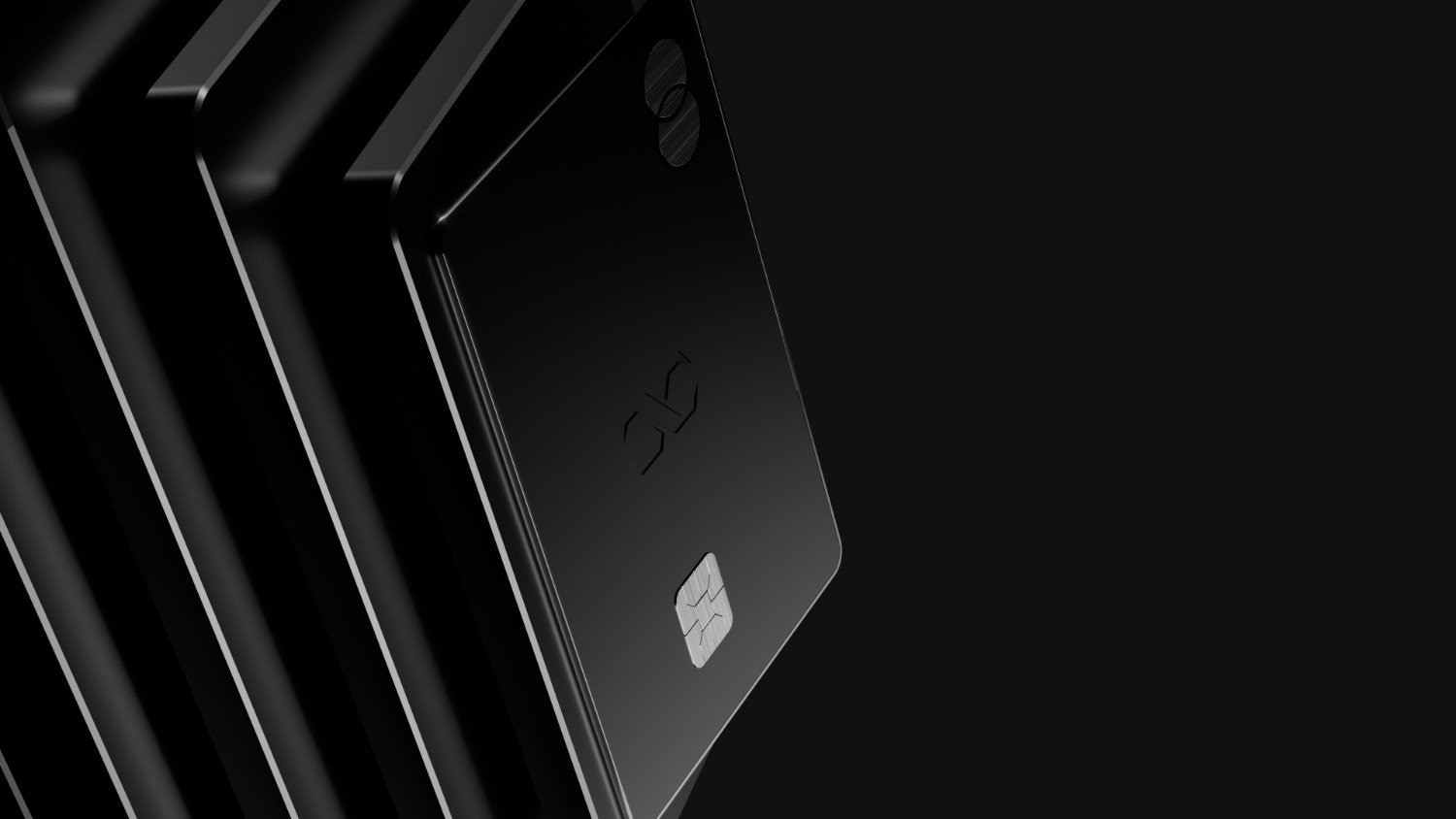
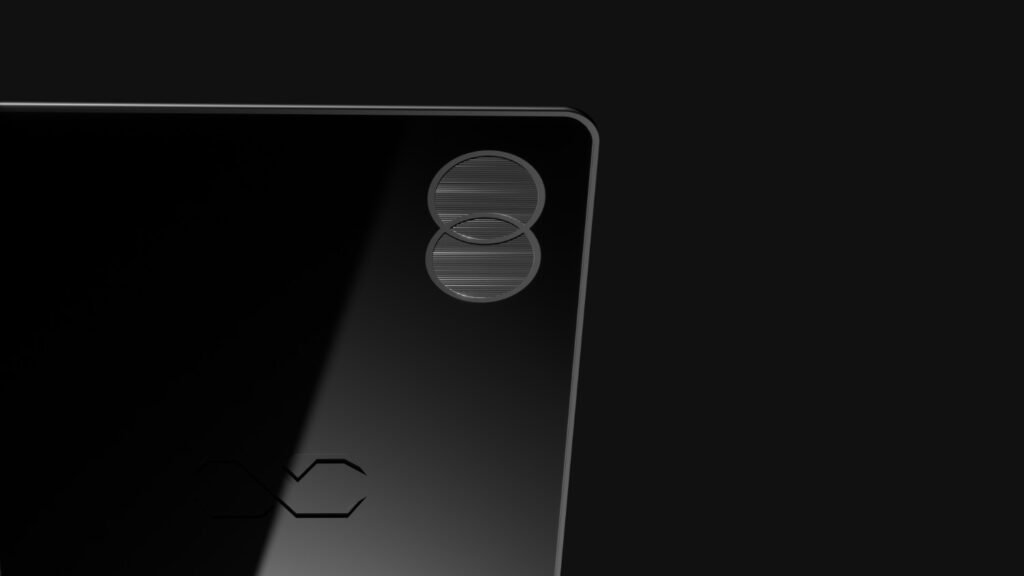
This 3D product rendering case study demonstrates how Render-Edge Studio developed a high-end visual identity for the Axys Bank Black Elite Card using a combination of Blender, Cinema 4D, and After Effects, delivering photorealistic visuals that communicate exclusivity, craftsmanship, and luxury branding.
Project Overview
Axys Bank approached Render-Edge Studio with a clear objective: create a visual identity for their Black Elite credit card that reflects prestige, minimalism, and authority.
Luxury financial products often depend on visual perception to communicate status. Unlike consumer electronics or retail goods, a premium credit card must look powerful without excessive visual noise.
The design brief emphasized three attributes:
- Dark minimalism
- Premium material perception
- Campaign-ready visual assets
The result required precision-driven product visualization capable of communicating tactile luxury through a digital screen.
The Challenge
Rendering luxury products—especially matte black surfaces—is technically complex.
Unlike reflective materials such as chrome or glass, matte surfaces absorb light. Without precise lighting control, they can appear visually flat or lose depth entirely.
For the Black Elite card, the team needed to achieve a careful balance:
- Maintain the dark minimal aesthetic
- Preserve material realism
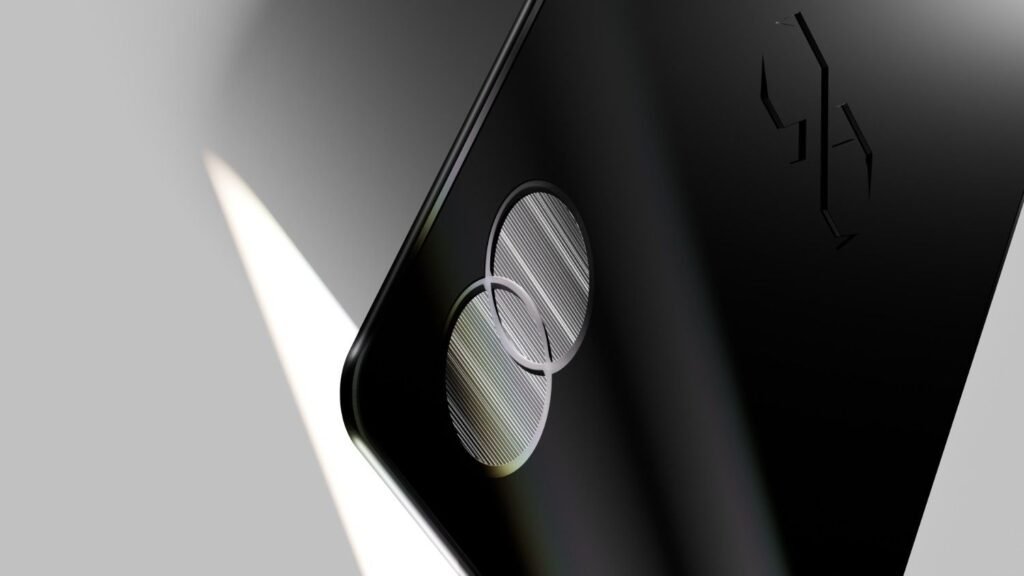
- Highlight fine design details
- Avoid excessive reflections that reduce sophistication
Achieving this balance required a lighting-driven rendering approach, where shadows and reflections were intentionally crafted rather than generated automatically.
The Production Process
Concept Development
The process began with a visual exploration phase focused on luxury branding principles. Premium financial products rely on restrained design language, meaning every detail—from edge bevels to lighting gradients—must reinforce exclusivity.
Render-Edge Studio established a visual direction centered on:
- Minimal compositions
- Cinematic lighting
- Material-focused product visualization
This ensured the final visuals aligned with Axys Bank’s premium positioning.
3D Modeling and Geometry
The card was recreated in Blender with exact dimensional proportions.
Accurate modeling is critical in 3D product rendering because small geometric inaccuracies can break realism, especially in close-up shots.
The modeling process focused on:
- Precision edge curvature
- Embossed typography details
- Metallic surface micro-structure
This step laid the foundation for photorealistic rendering.
Lighting and Rendering
Lighting is often the most important factor in luxury product rendering.
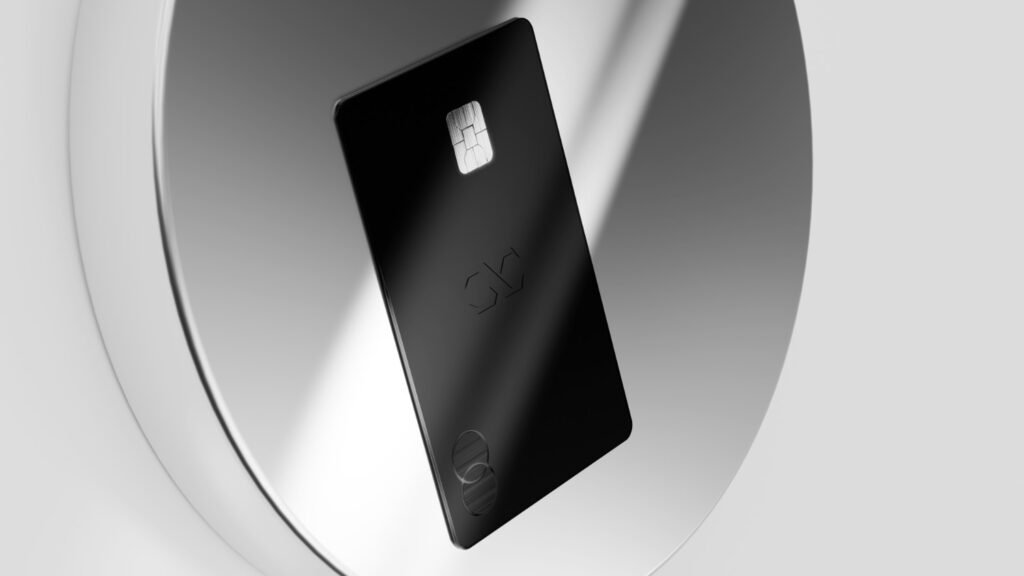
Instead of using standard studio setups, the team built a custom lighting system designed to highlight the card’s subtle material variations.
Using Blender’s physically-based rendering engine, the team experimented with multiple lighting configurations to achieve:
- Controlled shadow gradients
- Soft edge highlights
- Depth perception without glare
This technique produced the signature premium black aesthetic required for the campaign.
Motion Graphics and Animation
To expand the marketing value of the visuals, Render-Edge Studio created motion sequences using Cinema 4D.
These included:
- Slow turntable animations
- Cinematic camera transitions
- Macro detail shots
Motion graphics are increasingly important in 3D product marketing animation, especially for digital campaigns, landing pages, and social media advertising.
Compositing and Post-Production
Final compositing and color grading were completed in After Effects, ensuring the renders matched Axys Bank’s brand tone.
Post-production refinements included:
- Color balance adjustments
- contrast optimization
- campaign export formats
This stage ensures that 3D renders integrate seamlessly across marketing platforms.
Tools and Technologies Used
The project relied on a professional CGI production pipeline combining several industry-standard tools.
Core technologies included:
- Blender — 3D modeling and photorealistic rendering
- Cinema 4D — motion graphics and animation
- After Effects — compositing and final color grading
Together, these tools allowed Render-Edge Studio to produce high-precision product visualization assets optimized for marketing use.
The Results
The final delivery included a complete visual package designed for multi-channel marketing campaigns.
Assets delivered included:
- 6 hero 3D renders
- 2 cinematic motion sequences
- lifestyle product mockups
- close-up detail renders
- multi-angle visualization set
These visuals are now used across:
- digital marketing campaigns
- mobile app interfaces
- website hero sections
- print advertising
The result is a luxury credit card presentation that visually communicates prestige, exclusivity, and craftsmanship.
Why 3D Product Rendering Matters for Financial Brands
The financial sector has increasingly adopted 3D visualization to present premium cards and fintech products.
Several trends explain this shift:
1. Creative control
3D rendering allows unlimited lighting, angles, and environments without physical photography constraints.
2. Faster iteration
Design teams can update colors, materials, and branding instantly.
3. Cross-platform consistency
Assets can be adapted for websites, mobile apps, and advertising campaigns.
Because of these advantages, many fintech and banking brands now rely on 3D product visualization studios instead of traditional product photography.
Companies searching for a 3D product rendering service typically prioritize studios capable of delivering both photorealistic imagery and motion graphics.
Global Collaboration
Render-Edge Studio works with global clients across fintech, luxury branding, and technology sectors.
Modern digital workflows allow studios to collaborate internationally, delivering assets optimized for global marketing campaigns.
As demand for 3D financial product animation grows, specialized visualization studios are becoming essential partners for brands seeking high-end product presentation.
FAQs About This Product Rendering Case Study
1. What is a 3D product rendering case study?
A 3D product rendering case study explains how a visualization studio used CGI technology to create marketing visuals for a real client project. It typically includes the design brief, technical process, tools used, and final results.
2. Why do banks use 3D visualization for credit cards?
Banks use 3D bank card visualization because it allows precise control over lighting, materials, and presentation. This is especially important for premium cards where visual perception strongly influences brand positioning.
3. What software is used for 3D product rendering?
Professional studios often use tools such as Blender, Cinema 4D, and After Effects to produce photorealistic rendering, motion graphics, and final compositing.
4. How long does a luxury product rendering project take?
Most luxury product rendering projects take between 1–3 weeks, depending on animation complexity, number of renders, and revision cycles.
5. Can 3D renders replace product photography?
In many cases, yes. Photorealistic rendering can produce visuals indistinguishable from photography while providing greater creative flexibility and scalability.
Important Reads:
How to Choose a 3D Product Animation Service Provider?
What is the best software for 3D product animation?
How much does 3D product animation cost?
How long does it take to create a 3D product animation?
How 3D Product Animation Increases Sales?
Render-Edge Studio continues to push the boundaries of product visualization, motion graphics, and photorealistic rendering, helping brands communicate sophistication and value through precision-crafted visuals.